How Do You Stay Warm in a Springfield Home With No Heat?
When a house stops making heat, the job changes. You are no longer heating a home, you are slowing down how fast it loses what it already has, and keeping the people inside it safe while you wait. Those are different problems with different answers, and most of the good answers cost nothing. Pick one room and defend it. Understand why a gas furnace goes quiet in an outage, because that surprises people every winter. Know which backup heat is safe indoors and which kills. Keep the water moving in your pipes. And know the point where a cold house stops being uncomfortable and becomes dangerous. If the outage is not the problem and the system itself has failed, emergency heating repair in Springfield is what we do at any hour. We have been doing it across Northern Virginia since 1956.
How Do You Trap Warm Air in a Springfield Home Without Heat?
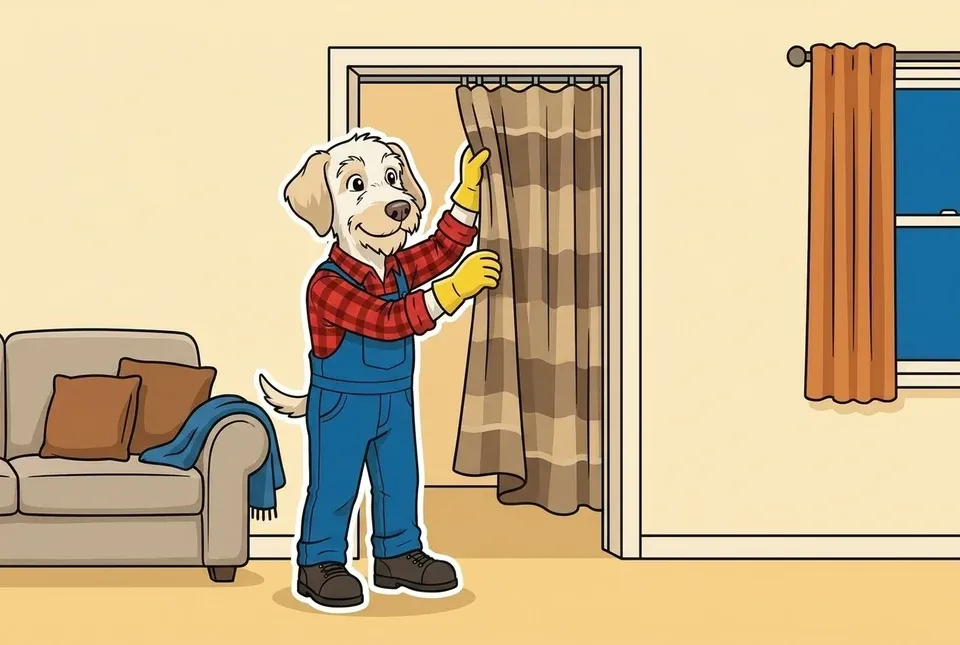
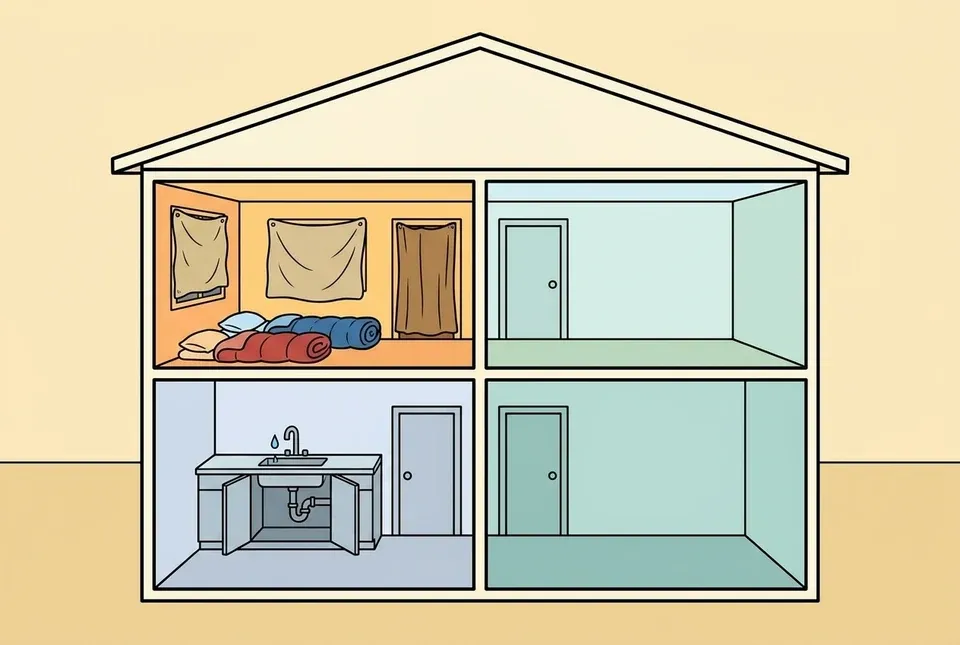
A house without heat is a container leaking warmth in every direction, and the fastest win is to make the container smaller. Pick one room, ideally an interior one with few windows, and move everyone into it. Close the doors to everywhere else. The rooms you are not defending become insulation.
The National Weather Service publishes a short list for exactly this situation, and it is worth following literally: wear layers of loose-fitting, lightweight, warm clothing as well as hats, mittens, and blankets, close blinds or curtains to keep in some heat, close off rooms to avoid wasting heat, and place towels or rags in cracks under doors. Every item on that list is free and most of it takes ten minutes.
The same advice turns up wherever people who have actually lived through this talk to each other. In a thread after a hard freeze, the most upvoted answer by a wide margin came from someone who said they grew up in Buffalo, and it opened with “Pick a room, stay there. block it off with doors, blankets, sheets,” then went on to layers, double socks, and not leaving an outside door open for more than a second. Their point about the door is the one people underestimate. A few seconds of open door undoes a lot of careful work.
Two more things help: blankets hung over windows add a layer the glass does not have, and sleeping bags in the defended room beat beds in unheated bedrooms.
Why Does a Springfield Gas Furnace Stop Making Heat Without Power?
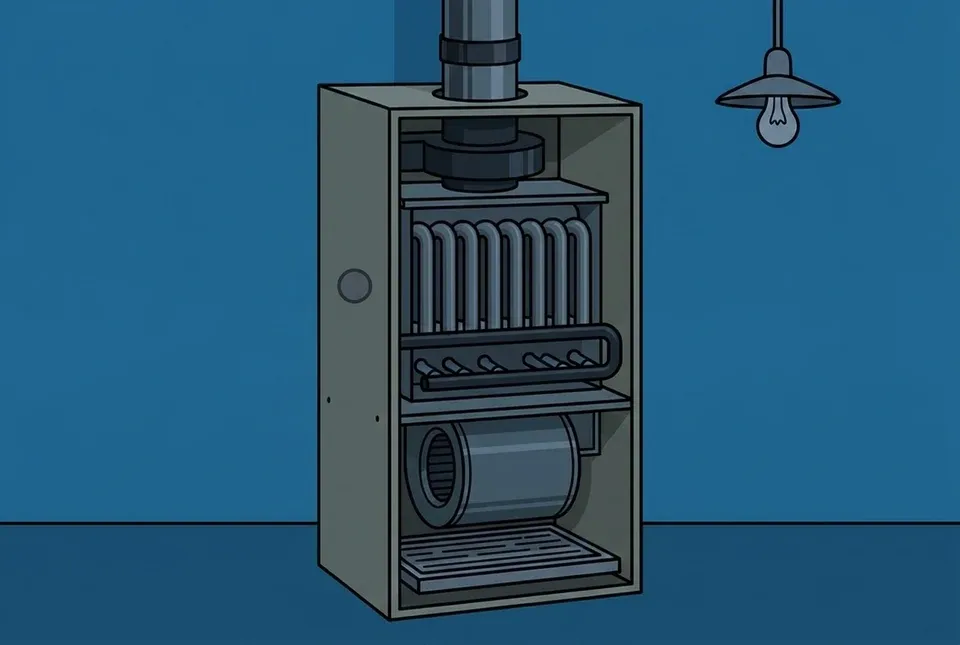
This is the belief worth breaking, because a lot of people in gas-heated houses assume an outage is somebody else’s problem. It is not. A modern gas furnace burns gas, but it needs electricity to do almost everything else: the control board that runs the sequence, the igniter, the draft inducer that proves the exhaust is moving, and the blower that pushes warm air into the house. Cut the power and the furnace does not run.
The confusion is genuinely widespread. One homeowner opened a thread by asking whether they would still have heat, adding that “Internet searches are giving me conflicting answers,” and worrying the furnace might sit there “spewing gas it can’t burn.” The top reply was blunt and it is correct: “No you will not have heat during a power outage, A gas furnace shuts off without power.” Another answer covered the worry directly, pointing out that the thermostat cannot call for heat without electricity either. Nothing is going to release gas it cannot light.
So the honest answer is that gas heat and electric heat both stop. What changes is what happens next. If your heat is out and the power is on, the furnace itself is the thing that failed, and why a furnace burner will not stay lit walks through what that usually means.
Which Backup Heaters Can You Safely Set Up in a Springfield Home?
The honest answer is that the safe list is shorter than people expect, and almost everything convenient is on the dangerous list.
Genuinely safe indoors: a fireplace or wood stove that is properly vented, in good repair and burning the fuel it was built for. That is close to the whole list. Electric space heaters need power you do not have, and they are not harmless when it is on. The NFPA puts space heaters and heating stoves behind about 30 percent of home heating equipment fires but 73 percent of the deaths: three feet of clearance, no extension cord, off when you leave the room or sleep.
Everything else needs care or is simply out. The CDC is direct about the common improvisations, saying to never burn charcoal indoors, never use a portable gas camp stove indoors, and never heat your house with a gas oven. It adds that portable flameless chemical heaters should not be used indoors either. The gas oven one catches people because the stove often still lights in an outage, which makes it feel like an available heat source. It is not one.
Unvented kerosene and propane heaters carry the tightest conditions of anything here. They burn fuel in the room, using up oxygen and producing carbon monoxide where you are breathing, so where you put one is not a detail. The Fairfax County Fire Marshal sets the rule for Springfield: only a listed and approved unvented heater belongs in a house at all, it must never sit in, or draw combustion air from, a sleeping room, bathroom or storage closet, it is prohibited outright in apartments and condominiums, and no portable heater is left unattended. University of Nebraska Extension covers the night: never in an enclosed or sleeping space, never while anyone is asleep, never without a carbon monoxide alarm, and open a window and keep the doors to the rest of the house open.
That is where this collides with defending one room, and the rule wins. A sealed room is the right way to hold heat and the wrong place to burn fuel. Run one only while someone is awake, with the blanket down and the doors open, and switch it off before anyone sleeps. If nobody can stay up to watch it, the heater goes off and the blankets do the work.
How Do You Stop Carbon Monoxide Risks While Heating a Springfield Home?
Carbon monoxide is the reason the previous section is so restrictive. The CDC describes it as an odorless, colorless gas that kills without warning, and reports that each year more than 400 Americans die from unintentional carbon monoxide poisoning not linked to fires, more than 100,000 visit an emergency department, and more than 14,000 are hospitalized. Those numbers are not concentrated in disasters. They are ordinary households doing ordinary things with fuel.
Three rules cover most of the risk. Anything burning fuel indoors must be vented to the outside or designed and rated for indoor use. Generators run outdoors only, which the CDC quantifies as more than 20 feet from any window, door or vent, and never in a garage even with the door open. And you need working alarms, which the CDC says belong near every sleeping area on battery or battery backup, because someone asleep can be poisoned before any symptom has a chance to wake them.
One caution is worth adding, from someone correcting a person relying on their alarm while running a kerosene heater. Detectors are built to catch carbon monoxide accumulating gradually, and they may respond too slowly to a room filling quickly. So know the symptoms as well: headache, dizziness, weakness, upset stomach, vomiting, chest pain and confusion, a set the CDC notes is often described as flu-like. If several people in a cold house feel flu-like at once, get everyone outside first and ask questions from there.
What Protects Springfield Pipes While the Heat Is Off?
While you are defending one room, the water lines in the rest of the house are cooling toward freezing, and a burst line turns an uncomfortable night into a repair. Moving water is much harder to freeze than still water, so let faucets drip, and favor the fixtures on exterior walls and the ones farthest from where the water enters.
Open the cabinet doors under sinks so household air can reach the pipes behind them, and if any of those sit against an outside wall, that is the first place to watch. In the coldest hours it is worth checking that water still runs from every tap, because the tap that has stopped tells you where the trouble is before the line splits.
There is a tempting mistake here. Draining the system sounds thorough, but someone who said they repaired freeze damage for a living argued against it in a thread, and their reasoning is sound: a house’s water lines have loops that never drain completely, and a small trapped volume freezes faster than a full line does. Unless you can properly blow the lines out, a slow steady flow is the more reliable protection.
How Do You Decide When a Cold Springfield Home Is an Emergency?
There is a real line here, and it is not about comfort. Hypothermia begins when body temperature falls below 95 degrees Fahrenheit, and the National Weather Service is unambiguous that it needs immediate medical attention. It also notes that hypothermia can set in at temperatures as mild as 60 degrees when someone is not dressed for it or has been cold for a long time, which is precisely the situation inside a house that lost heat yesterday.
Who is in the house matters more than the thermostat reading. The National Weather Service puts hypothermia deaths at roughly 1,300 a year, a CDC figure, and citing the National Institute on Aging notes that most are seniors. It explains why: as people age the body becomes less efficient at signaling that it is too cold, and older people tend not to shiver effectively. Infants, anyone unwell, and anyone on medication affecting circulation deserve the same caution. We are not medical people, so take the weather service’s own version: feeling cold and sluggish or having trouble thinking clearly is a reason to see a doctor rather than wait it out.
The other decision is simpler. If you cannot hold a safe temperature and cannot get heat back, leave. A relative’s house, a friend’s, a hotel with power. And once your own household is settled, check on neighbors, because the people most at risk are often the least likely to call anyone.
Which Steps Keep a Springfield Home Warm Before the Next Outage?
Most of what helps is done in advance. Know where your blankets, flashlights and warm layers are before you need them in the dark. Test the carbon monoxide alarms and put fresh batteries in. If you have a fireplace or wood stove you intend to rely on, have it inspected and swept while the weather is still mild, because the outage is a bad time to discover the flue is blocked.
One popular tactic is worth skipping. People often crank the thermostat up before a forecast storm, hoping to bank heat. The most upvoted response to exactly that plan came from someone in Wisconsin who had watched it go wrong repeatedly: pushing a system hard in extreme conditions is how it fails, and a furnace that quits during a cold snap waits in a much longer repair queue. The physics is not on the tactic’s side either, since a warmer house loses heat to the cold outside faster, and the few extra degrees are gone within a couple of hours.
The step that actually pays is having the heating system looked at in early autumn, while there is time to fix whatever is found. A furnace that has been inspected and serviced before the season is simply less likely to be the reason your house is cold in the first place.
The Bottom Line on Losing Heat in a Springfield Winter
Losing heat is manageable if you do the right things in the right order. Make the heated space small and defend it. Expect a gas furnace to stop when the power does, because it will. Keep anything that burns fuel either properly vented or outside, and trust working alarms plus your knowledge of the symptoms rather than either one alone. Keep water moving. Watch the people in the house more closely than the thermometer, and leave if you cannot keep them safe.
When the power is on and the heat still is not, that is a failure rather than an outage, and it is ours to fix. Our team answers no-heat calls through Northern Virginia winters, and being third-generation and family owned rather than private equity backed is part of the family behind that phone number.