Best Heat Pump Brands: An Honest Buyer's Guide
Quick answer
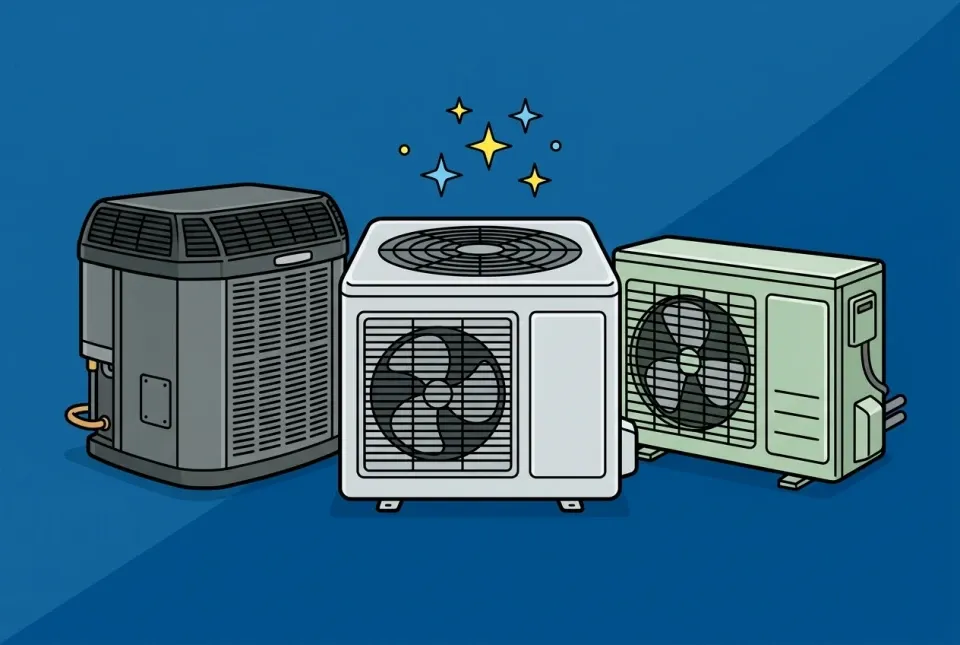
There’s no single “best” heat pump brand, and any guide that names one is selling you something. The honest truth is that a mid-tier unit installed well will outperform a premium unit installed poorly, every time. For Northern Virginia homes, the brands worth shortlisting are the ones with a strong local dealer network and easy parts availability: Trane, Carrier, Lennox, Bryant, American Standard, and Rheem/Ruud at the higher end, with Goodman as a solid value pick. What matters far more than the badge is correct sizing, a good installer, and the warranty behind it.
The thing nobody tells you: installation beats brand
Studies of HVAC systems consistently find that the majority of comfort and efficiency complaints trace back to installation, not the equipment. An oversized heat pump short-cycles and never dehumidifies well through a muggy Virginia summer. A poorly charged system limps along and dies early. Leaky ductwork throws away a third of what you paid for before it reaches your rooms.
So before you agonize over Trane versus Carrier, ask whether whoever’s installing it will:
- Run a proper load calculation (Manual J) instead of just matching your old unit’s size.
- Verify the refrigerant charge to the manufacturer’s spec at startup.
- Check and seal your ductwork, not just bolt on new equipment.
Get those right and almost any reputable brand will serve you well for 12 to 15 years. Get them wrong and the best badge in the world won’t save you.
How to think about brand tiers
Most residential heat pumps come from a handful of parent companies, and the brands sort roughly into three tiers.
Premium tier: Trane, Carrier, Lennox, American Standard, Bryant. These offer the highest efficiency ratings, the quietest variable-speed compressors, and the most refined comfort controls. You pay for it up front. Worth it for homeowners planning to stay put a long time who value quiet operation and lower running costs. One caution: Lennox uses more proprietary parts, which can make repairs slower and pricier.
Value tier: Goodman, and often Rheem/Ruud sit just above it. Reliable, widely serviceable, and far kinder on the up-front budget. Goodman in particular has built a solid reputation as a dependable mid-range choice with good parts availability. A smart pick for rental properties, tighter budgets, or homeowners who won’t be in the house for 20 years.
Everything else: York, Coleman, and various rebadged lines. Perfectly serviceable units, frequently sharing parts with better-known siblings under the same parent company. Fine when the price and the installer are right.
Honestly? The gap between tiers has narrowed a lot. A well-installed value unit is a genuinely good decision, not a compromise.
What actually matters when you’re comparing
- Proper sizing. The single biggest lever on comfort and lifespan. Bigger is not better with heat pumps.
- Efficiency ratings (SEER2 / HSPF2). Higher numbers mean lower bills, but the payback has to pencil out against the higher sticker price for how long you’ll own the home.
- Cold-climate performance. Modern inverter-driven, variable-speed units hold their heat output much deeper into the cold than the heat pumps people remember struggling in the 1990s. For our winters, that’s the feature that matters most.
- Sound. If the unit sits near a bedroom window or a tight townhouse lot, variable-speed models run noticeably quieter.
- Warranty. Most quality brands offer a 10-year parts warranty if you register the unit. The labor warranty, which is what actually costs you, comes from your installer, so ask about it directly.
- Local parts and service. A brand nobody in Northern Virginia stocks parts for is a bad bet, no matter how good the spec sheet reads.
What we install and service in Northern Virginia
At Leonard Splaine, we install and service the major brands homeowners here actually rely on, and we’ll give you a straight recommendation based on your home rather than whatever we’re pushing that month. For a lot of Northern Virginia homes, a dual-fuel setup, a heat pump paired with a gas furnace backup, ends up being the sweet spot: heat-pump efficiency through our mild shoulder seasons, furnace muscle on the handful of truly bitter nights.
The right brand and size depend on your home’s insulation, ductwork, gas service, and how you actually live in it, which is exactly why we start with a load calculation instead of a rule of thumb.
Frequently asked questions
Which heat pump brand is the most reliable? Reliability tracks more with installation quality and maintenance than with the badge. Among the brands, the premium tier (Trane, Carrier, American Standard) has a slight edge on longevity, but a well-installed Goodman routinely outlasts a badly installed premium unit.
Is a more expensive heat pump worth it? If you’re staying in the home a long time and value quiet, efficient, variable-speed operation, yes. If you’re on a budget or won’t be there long, a quality value-tier unit is a completely sound choice.
How long should a heat pump last in Virginia? Typically 12 to 15 years. Heat pumps run in both summer and winter, so they log more hours than a furnace-and-AC pair, that’s normal, not a defect. Annual maintenance is what gets you to the top of that range.
Shopping for a new heat pump? Leonard Splaine has sized and installed systems for Northern Virginia homes for three generations, with free estimates and honest advice on the brand and size your home actually needs. Call 703-494-2855 or learn more about heat pumps.