Air Quality Upgrade: The Surprising Benefits of Using Humidifiers in Every Room
Every winter, Northern Virginia homes dry out. Furnaces and heat pumps run for hours, outdoor air sneaks in and gets heated, and indoor humidity can drop into the teens, drier than most deserts. You feel it as scratchy throats in the morning, static shocks off the doorknob, and hardwood floors that start creaking in January.
The fix is humidity, and the interesting part is what happens when every room gets it, not just the one where somebody plugged in a portable unit. Here is what consistent, whole-home humidity actually does, room by room.
Quick answer
Keeping every room between roughly 35 and 45 percent humidity in winter improves sleep and skin, eases dry-air coughs and sinus irritation, protects wood floors and furniture from cracking, kills static shocks, and lets you feel warm at a lower thermostat setting. A single whole-home humidifier mounted on your HVAC system delivers that everywhere at once, with no tanks to refill and almost no upkeep, which is why we install far more of those than we recommend fleets of portable units.
Bedrooms: better sleep and skin that survives winter
You spend a third of your life in the bedroom, breathing whatever the air holds, and dry air makes those hours worse. It dries out the nasal passages and throat overnight, which is why winter mornings so often start with a raspy voice, a dry cough, or a nose that feels sandblasted. Dry airways also tend to make snoring louder. Bring the humidity up and most people simply sleep better: fewer middle-of-the-night coughing fits, less waking up for water.
Skin gets the same relief. Heated indoor air pulls moisture out of skin all night, which aggravates itchiness, chapped lips, cracked knuckles, and conditions like eczema. Lotion fights the symptom; humidity removes the cause. When every bedroom holds a proper humidity level, not just the one with the portable unit humming in the corner, the whole household feels the difference.
Living areas: your wood is begging for this
Here is the benefit people rarely think about until the damage shows up. Wood constantly exchanges moisture with the air around it. When indoor humidity crashes in winter, wood gives up moisture and shrinks, and that is when problems appear:
- Hardwood floors develop gaps between boards, cup, or squeak
- Furniture joints loosen and fine pieces crack
- Trim, doors, and cabinets shrink and stick or gap at the seams
- Pianos and guitars drift out of tune, and soundboards can crack outright
Many hardwood flooring warranties actually specify an indoor humidity range, often 35 to 55 percent, and dry-air damage outside that range may not be covered. A portable humidifier in the family room does nothing for the oak floors in the hallway or the piano in the front room. Consistent humidity through the whole house is what protects wood, because the wood is everywhere.
The whole house: fewer shocks and a lower heating bill
Static electricity thrives in dry air. If your family spends every winter zapping each other on doorknobs, that is a humidity problem, and it disappears almost entirely once levels come up above about 35 percent. That matters for more than comfort: static discharge is genuinely unfriendly to sensitive electronics.
The sneakier benefit is on your heating bill. Humid air holds heat against your skin better, and it slows the evaporation from your skin that makes you feel chilly. The practical result: a home at 68 degrees with healthy humidity feels about as warm as a dry home at 70. Most people with whole-home humidification end up nudging the thermostat down a degree or two without anyone complaining, and every degree lower is real money over a Virginia winter. A humidifier does not create heat, but it lets you buy less of it.
Why one whole-home unit beats a portable in every room
The original logic of “a humidifier in every room” is right about the goal and wrong about the method. To humidify a typical house room by room, you would need five or six portable units, and then you would live with them:
- Refilling. Portable tanks hold a day or so of water. Six units means six tanks to haul to the sink, daily, all winter.
- Cleaning. Every tank and wick needs regular scrubbing, or it grows the mold and bacteria you were trying to avoid, then broadcasts them into the room.
- Uneven coverage. Portables swamp the room they sit in and do nothing two doors down. Hallways, bathrooms, and closed rooms stay bone dry, which is exactly where wood trim and floors keep shrinking.
- Cost. Decent portable units run $50 – $250 each, plus filters and wicks every season. Outfitting a whole house buys a good chunk of a permanent solution.
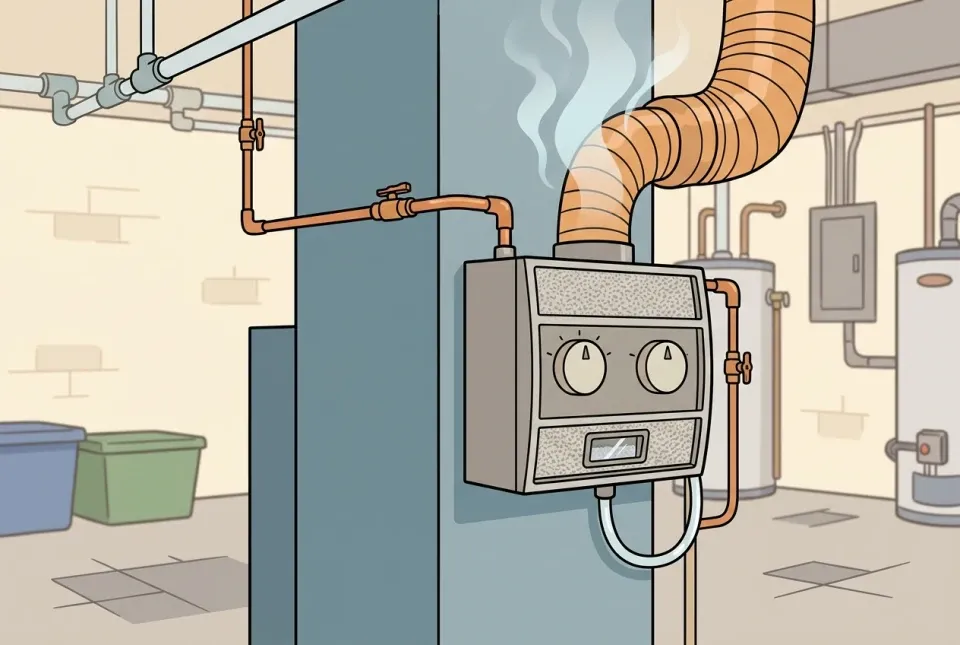
A whole-home humidifier mounts on your furnace or air handler, draws from your water line, and adds moisture to the air your ductwork is already delivering to every room. A humidistat holds the level you choose automatically. There are no tanks, no daily chores, and maintenance is typically a once-a-year panel swap we can handle during a fall tune-up. Installed, most systems run $500 – $1,200, roughly comparable to a house full of portables, except it covers everything and asks nothing of you.
The sweet spot: 35 to 45 percent in winter
More is not better. Push humidity too high in cold weather and you will see condensation on windows, which invites mold around sills and frames. The winter target for our climate is about 35 to 45 percent, dipping slightly lower during hard cold snaps so windows stay dry. A whole-home unit with an outdoor sensor adjusts this for you; with portables, you are the sensor. An inexpensive hygrometer is a worthwhile check either way, so you know where your rooms actually stand.
Frequently asked questions
Do humidifiers cause mold? Only when humidity runs too high or a portable tank goes uncleaned. Held in the 35 to 45 percent range, humidified air does not support mold growth, and a whole-home unit drains itself rather than storing standing water.
Should the humidifier run all year? No. In our area, humidification season runs roughly from the first stretch of furnace weather through early spring. Summer air here carries plenty of moisture on its own; that is the dehumidification side of the equation.
Can a whole-home humidifier be added to my existing system? Almost always. They install on the ductwork beside the furnace or air handler and need a nearby water line and a drain. Most installations take a few hours.
What maintenance does a whole-home unit need? Typically one water panel (evaporator pad) replacement per year, plus a quick inspection. We fold both into fall maintenance visits.
Curious what whole-home humidification would look like in your house? Leonard Splaine installs and services humidifiers across Northern Virginia and can size the right unit to your system. Call 703-494-2855 or explore indoor air quality services.