3 Common Heat Pump Problems (and How to Fix Them)
Quick answer
When a heat pump acts up in a Northern Virginia winter, it’s almost always one of three things: it won’t turn on, it runs constantly, or it’s blowing air that isn’t warm enough. A couple of these you can sort out yourself in five minutes with a thermostat and a fresh filter. The rest are quick fixes for a technician, and most cost far less than people fear.
Here they are in the order we actually find them on service calls.
1. The heat pump won’t turn on
A dead heat pump is unnerving on a cold morning, but the cause is usually one of four things, and the first two you can check yourself.
- Thermostat set wrong or dead. Confirm it’s in heat mode and set above the current room temperature. If the screen is blank, replace the batteries. A schedule someone changed is a shockingly common “no heat” call.
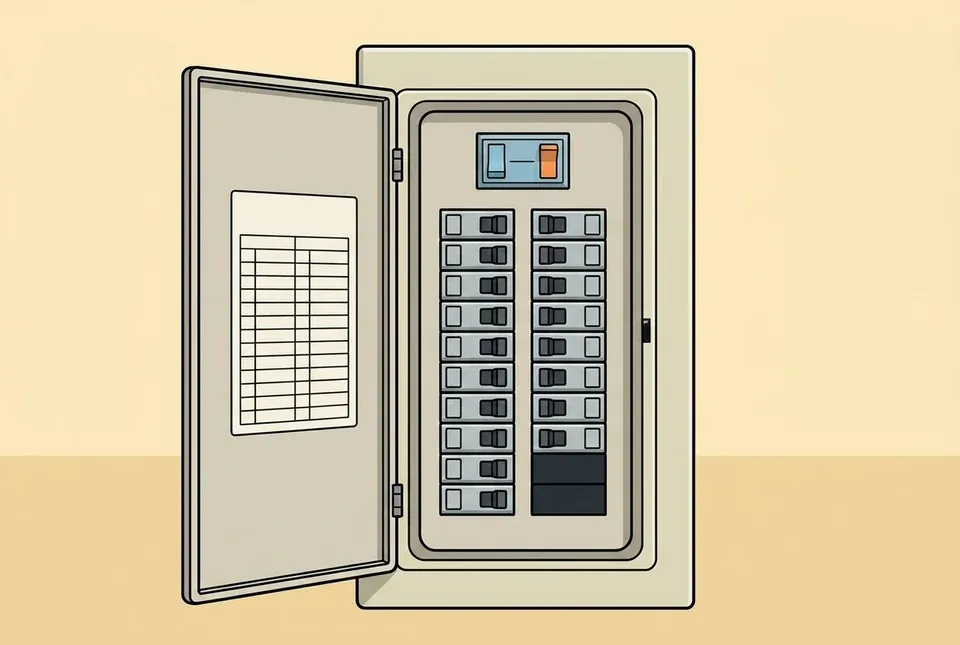
- A tripped breaker. Check your panel and reset the breaker once. If it trips again, stop, that breaker is protecting you from a real electrical fault, and repeatedly resetting it is how a small problem becomes an expensive one.
- A failed start capacitor. If you hear a faint click or hum when the system should fire up but nothing spins, the capacitor, the small part that gives the motors their starting jolt, has likely failed. This is one of the most common failures we replace.
- A stuck reversing valve. This valve is what lets a heat pump both heat and cool. A telltale sign it’s failing: you get cool air fine but no heat (or vice versa).
Check it yourself: thermostat mode, thermostat batteries, and the breaker. That trio solves a real share of “my heat pump is dead” calls for free.
Typical repair cost: a capacitor runs $150 – $400 installed. A reversing valve is a bigger job, often $600 – $1,200+, because the refrigerant has to be recovered and recharged.
2. The heat pump runs constantly
A heat pump that never shuts off isn’t automatically broken, they’re designed to run long, steady cycles rather than the short blasts of a gas furnace. Context matters here.
- It’s genuinely cold out. On a 20°F Woodbridge morning, a properly sized heat pump running nonstop to hold your setpoint is normal, not a malfunction. It’s working exactly as intended.
- A miscalibrated thermostat. If the thermostat reads the room colder than it really is, it’ll keep calling for heat it doesn’t need. If your rooms feel warmer than the setpoint but the system keeps running, suspect the thermostat.
- A failing contactor or low refrigerant. A worn contactor (the switch that feeds power to the outdoor unit) or a refrigerant leak can both leave the system chasing a temperature it can never quite reach.
Check it yourself: compare the thermostat reading to a separate thermometer in the same room. If they disagree by several degrees, the thermostat is the likely culprit.
Typical cost: a contactor is a $150 – $350 part-and-labor fix. A refrigerant leak is a bigger conversation (see #3).
3. The heat pump isn’t heating enough
Air coming out of the vents that’s lukewarm, or a house that just won’t get to temperature, usually traces back to airflow or refrigerant.
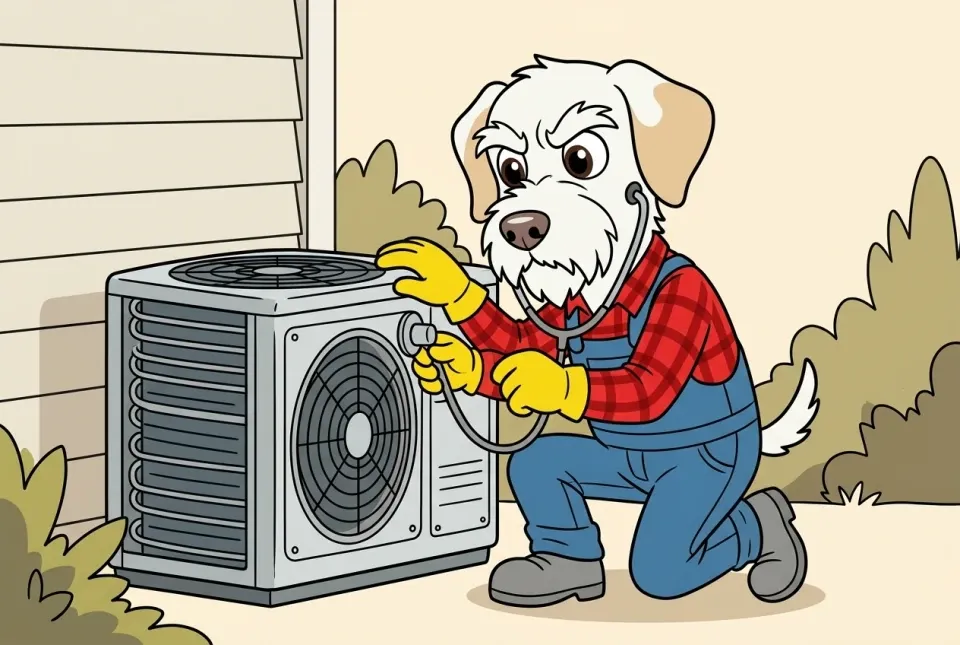
- A blocked outdoor unit. Your heat pump pulls heat from outside air, so it needs to breathe. Leaves, snow drifts, or ice packed around the coil choke it. Clear a couple of feet of space around the unit, gently, never chip ice off the coil with anything metal.
- A dirty air filter. A clogged filter starves the system of airflow, and weak airflow feels exactly like weak heat. Check it yourself: if you can’t see light through the filter, swap it. This is the single most common call-avoider we know.
- Low refrigerant from a leak. A heat pump doesn’t consume refrigerant, so if it’s low, it leaked. Symptoms are lukewarm air, endless run times, and sometimes ice on the outdoor coil. This needs a technician to find and repair the leak, then recharge to the exact factory amount.
Typical cost: a filter is the price of a filter. A refrigerant leak repair runs $300 – $1,500+ depending on where the leak is and which refrigerant your system uses. Older R-22 systems cost more to recharge, which often tips the repair-or-replace math.
A note on auxiliary heat
If your thermostat flashes “AUX heat” or “emergency heat” during a cold snap, that’s usually normal, it’s the backup electric heat helping out when it’s below freezing or during a defrost cycle. It only signals a problem if it runs constantly in mild weather or sends your electric bill through the roof. We wrote a whole separate piece on why auxiliary heat kicks on.
When to stop troubleshooting and call
Reach for the phone if you notice a breaker that keeps tripping, a burning smell, a heat pump that hums but won’t start, or ice that won’t clear from the outdoor unit. Running the system through any of those can turn a modest repair into a compressor replacement, the single most expensive part in the system. And if your heat pump is 12+ years old and this is its second or third failure in as many winters, it’s worth asking for honest repair-versus-replace numbers before spending more.
Frequently asked questions
Is it bad to run my heat pump on emergency heat? For a short stretch while you wait for service, it’s fine, that’s what it’s for. But emergency heat runs on pure electric resistance, which is expensive, so don’t leave it there as your everyday setting.
Why does my outdoor unit have steam coming off it? That’s almost always a normal defrost cycle melting frost off the coil. It lasts a few minutes and then heating resumes. Steam that never stops is worth a call.
How do I avoid heat pump problems next winter? A fall tune-up catches weak capacitors, low refrigerant, and dirty coils before the first cold snap finds them for you. It’s the cheapest insurance a heat pump gets.
Heat pump acting up? Leonard Splaine has kept Northern Virginia homes comfortable for three generations, with upfront, flat-rate pricing and honest repair-or-replace advice. Call 703-494-2855 or request heat pump service.